Let’s take a look at what types of revenue streams you can use for your company, as well as the pros and cons of each.
1. Subscriptions
The subscription model is popular within the software world. In fact, today, the majority of software companies sell their products as SaaS (software as a service) subscriptions.
Customers pay you a recurring subscription fee (monthly, quarterly, or yearly) to get access to a product or service.
Instead of owning a product or paying once for a service, customers get access as long as they continue paying their subscription fee.
Of course, there are other types of businesses that use the subscription revenue model (magazines and gyms are two classic examples).
Pros of the subscription model include:
- If you can forecast your customer churn rate and new MRR, you can predict how much revenue your business will generate next month (you can do this with Finmark from BILL)
- If your marketing efforts slow down or stop, you can still generate revenue from existing subscribers
- Subscriptions are lower risk than upfront purchases for customers, which makes it easier to close sales
However, there are important cons to keep in mind:
- If your CAC payback period is longer than the average period customers stay around for, your business will bleed money
- You need to invest resources to avoid high cancellation rates
- Revenue can be uncertain during the startup phase
Examples of businesses that use subscriptions as a revenue stream include:
- Streaming services like Netflix
- SaaS companies like Finmark
- Membership companies like country clubs
- Subscription box companies like BarkBox
- Ecommerce companies like Dollar Shave Club

2. Licensing
Licensing comes in different shapes and forms. In software, licensing was the most popular revenue stream before the subscription model took over.
One example of a software company that still uses perpetual licensing is Microsoft. Although they offer their products on a subscription basis, you can still purchase licenses for their products outright, like Microsoft Word.
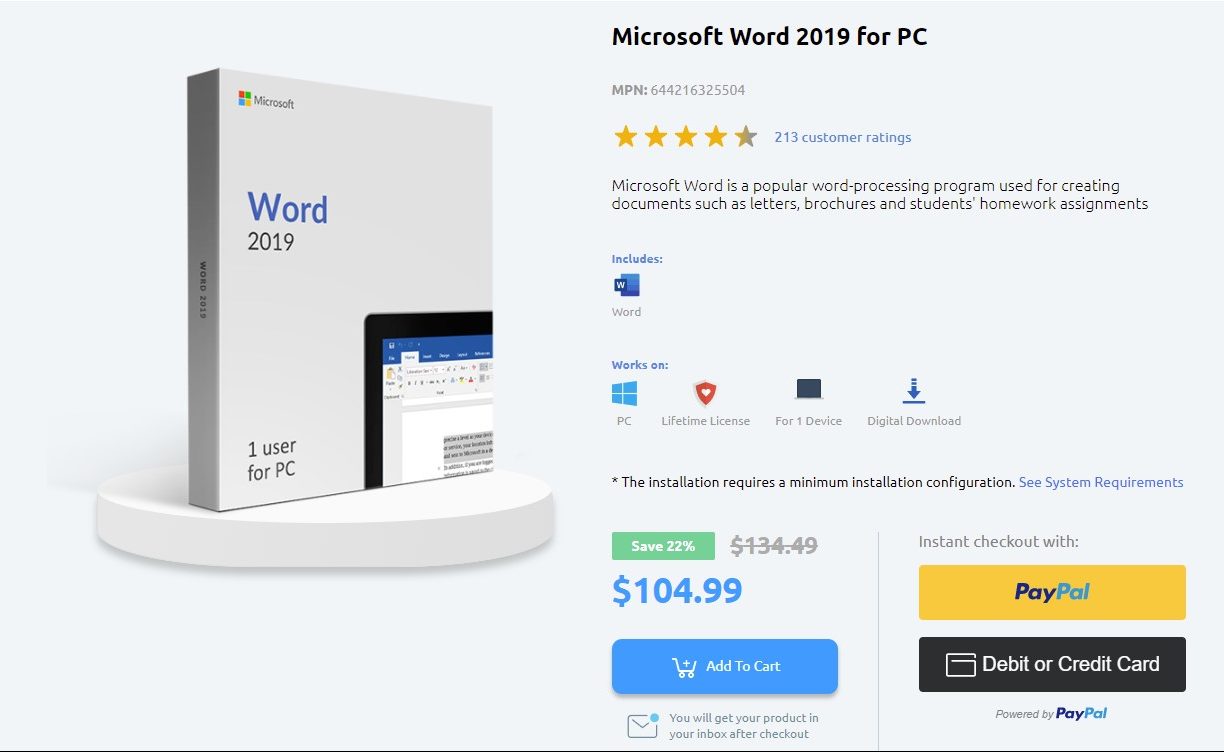
But software isn’t the only thing you can license. You can also grant the right for someone else to use a trademark or copyrighted material.
Other examples of businesses that use a licensing model include:
- Walt Disney (for example, when they grant McDonald’s a license to use trademarked characters for Happy Meal toys)
- Music production companies grant licenses to film production crews to use specific songs in movies
- Software like Clip Studio Paint
Here are the pros of using licenses as a revenue stream:
- You don’t need to worry about monthly churn since licenses are typically granted long term
- Your business gets more money upfront from purchases
But here are the cons:
- Customers only buy once, unless you create a new and improved product for them to purchase a few years later
- Your revenue will dip to zero if you make no sales in a month
3. Product Sales
Product sales is exactly what it sounds like — selling products. Unlike licensing, customers who purchase products own the product outright.
This is the quintessential consumer-facing business model, and is the main way businesses monetize when they have a physical product to sell.
E-commerce companies are one of the best examples of this revenue stream. Brick and mortar retail companies do the same. Some examples include:
- Ikea
- Casper
- Away
- Walmart
Some companies do a blend of both.
For example, Google offers paid software like GSuite, but they also sell physical electronics like the Google Pixel phones, the Google Chromecast, and the Google Nest smart home products. We’ll talk more later about how successful companies diversify by combining multiple revenue streams.
Here are the pros of having product sales as a revenue stream:
- Low ticket items are easier to sell
- Higher ticket items provide a large influx of revenue at once
But here’s the negative side you should be aware of:
- Products tend to have lower profit margins than software
- Every product needs to be manufactured, stored, and shipped
- It can become cheaper to manufacture products as you scale up, but there is a limit to how cheap you can make it
4. Services and Consulting
If you have talent on your team—whether that’s you or your employees—you have an asset that you can leverage in the form of services or consulting.
Some companies are purely service-based and offer several services, which each represent a separate income stream. Local companies like nail salons or landscaping companies are good examples of this model.
Other examples include:
- Marketing agencies and consultants
- Financial advisors
- Building inspectors
Some other companies provide software, like Evolv.ai with A/B testing, but also provide services to strategize and implement their solution.
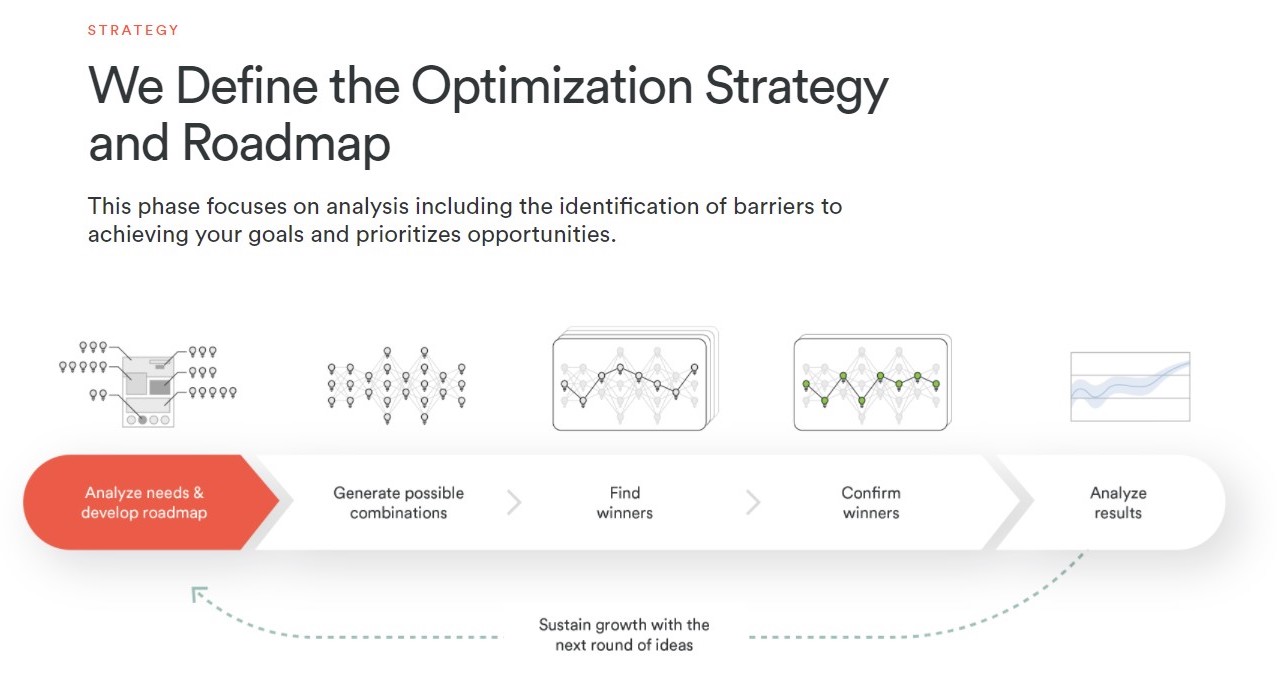
Services are a great way to add a new income stream without creating assets from scratch.
There’s no need to invest in research and development for a new product.
You can survey your customers to figure out what services they need, then use your existing in-house expertise to deliver this service.
Services offer several benefits:
- Because services are one-to-one instead of one-to-many, you can also charge more, which means you need fewer clients to reach a certain revenue goal
- For example, let’s say you need to increase your revenue by $50,000 a month — you only need five clients who pay $10,000 each for high-value consulting services compared to 1,000 clients who pay $50 a month for a software subscription
However, here are some cons to watch out for:
- Services aren’t easily scalable — if you want to onboard more clients, you’ll not only need to scale your marketing efforts, but you’ll also need to train and onboard more employees to provide these services
- There are more moving pieces to services than to software subscriptions — for example, customer services need to be much more involved
- You’re more responsible for the outcomes your clients get when you provide a service compared to a product or subscription
5. Advertising
If you have an audience, you also have the ability to sell advertising space.
This can be done in a variety of ways.
For example, let’s say you have a podcast in addition to the existing products and services you sell. You can create ad breaks in your podcast and sell the space to relevant companies.
This is how most podcasts and radio stations make money.
If you have an email list, you can also partner with other brands to advertise their products or services to your subscribers. Or, if you have a blog that generates a lot of traffic, you can place ads in your posts, too.
Then there’s the freemium model for apps. Freemium is where your company offers a “dumbed down” free version of your software product.
In the B2B space, it’s more common to use your free plan as a launching pad to upsell customers into a paid subscription. In the B2C world, though, it’s super common to monetize free users with ad revenue (running ads within the app interface itself).
Duolingo is a classic example of a freemium app that utilizes an ad revenue stream.
Examples of businesses that use the advertising model include:
- The Penny Hoarder and other large blogs
- Sports stadiums that sell space for advertising in their arena
- Real estate owners who put banners on their buildings
Some pros of selling advertising space include:
- It doesn’t require you to spend extra resources to turn on this revenue stream
- Ads can be highly lucrative if you have a large audience
But watch out for these cons:
- You’ll be associated with the brands you advertise, so it’s important to choose your partners wisely
- It may not bring in much if your audience is small
- Ads can distract your audience from your own offers
6. Leasing and Renting
When you use leasing and renting as a revenue stream, you give exclusive usage rights to the buyer for a specific period of time.
You typically need assets to rent out in order for this model to work for you. For example, E-commerce companies like Rent the Runway allow members to rent out designer clothing.
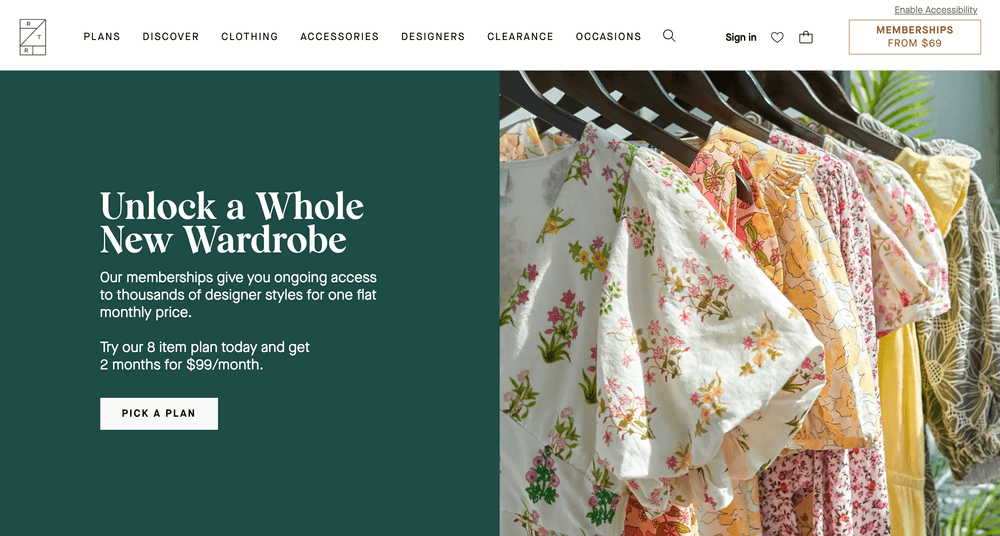
Businesses like these often have other revenue streams, such as subscription fees and product sales (since people can opt to buy the products, too).
Car rental companies and hotels work in the same way.
Other examples of leasing and renting companies include:
- Moving gear rental companies
- Vacation rentals
- Real estate leasing companies
If you’re a company with a large office space, you could even lease unused parts of your office space to smaller companies or freelancers.
Let’s explore the pros of leasing and renting:
- You can generate a high amount of revenue from a single asset over time
- Customers don’t need to justify long-term purchases, so it can be easier to make sales
But there are some cons to the model, too:
- It can take a while to make your money back after investing in your assets
- You need to account for depreciation of your assets
- Wear and tear will likely happen over time
7. Brokerage Fees
Companies get paid a brokerage fee when they match people with specific companies.
For example, freelancing websites like Upwork make money from matching freelancers with clients who need their help. Twenty percent of the money a client pays for freelance services is taken as a brokerage fee.
Freelancers benefit because they get matched with clients, and clients win because they get access to thousands of talented professionals.
Other businesses that use a brokerage model include:
- Uber
- AirBnB
- Booking.com
Here’s how your business can benefit from using a brokerage model:
- Once your company has the ability to match people together, it can become a relatively low-effort revenue stream, since it doesn’t require you to deliver products or services
- Customers don’t have to pay upfront — you usually take cuts from their transactions — which means that there can be less friction for sales
However, there are downsides to using brokerage fees as a revenue stream:
- It’s not easy to set up — most companies who depend on other revenue streams won’t easily be able to add brokerage fees as a revenue source without investing some serious time and resources into it
- Brokerage fees are only typical in a few industries
Gallery